
PET Plastic & rPET Plastic Machinery Repair & Maintenance
Hot Filling vs. Aseptic Technology: What You Need to Know
When choosing a bottling method, manufacturers must consider factors such as product safety, shelf life, packaging requirements, energy efficiency, and production costs. Two of the most common methods in the beverage industry are hot filling and aseptic cold filling. Each has its own advantages and disadvantages, depending on the type of product being bottled.
In this guide, the equipment specialists at PS Technical Resources compare hot filling and aseptic cold filling, highlighting their processes, benefits, limitations, and industry applications to help you determine which is the best choice for your production needs.
What is Hot Filling?
Process Overview
Hot filling is a process where a liquid product is heated to a high temperature, typically between 180°F and 195°F (82°C – 91°C), and then filled into bottles while still hot. The heat effectively sterilizes both the liquid and the container. After sealing, the product is rapidly cooled to prevent degradation.
Best-Suited Products for Hot Filling
Hot filling is most commonly used for high-acid beverages (pH < 4.6) because these acidic conditions inhibit bacterial growth. Popular products that use hot filling include:
- Fruit juices (orange, apple, grape, etc.)
- Iced teas
- Sports drinks
- Isotonic and energy drinks
- Flavored water and vitamin-enhanced drinks
- Some dairy alternatives (with added acidity, such as certain almond or soy milk products)
Advantages of Hot Filling
Effective Sterilization Without Chemical Preservatives
The high temperature naturally kills bacteria and microbes, eliminating the need for artificial preservatives.
Lower Equipment and Operational Costs
Compared to aseptic cold filling, hot fill machinery is generally less expensive and requires a simpler setup. This makes it a viable option for smaller production lines.
Moderate Shelf-Life Improvement
Hot-filled beverages typically have a 6–12 month shelf life if stored properly, making them suitable for large-scale distribution.
Ideal for Glass and Heat-Resistant PET Bottles
Hot filling is particularly effective for glass bottles, which can withstand high temperatures without deformation. Specially designed heat-resistant PET bottles can also be used, though they tend to be more expensive than standard PET packaging.
Disadvantages of Hot Filling
Requires Heat-Resistant Packaging
Bottles must be able to withstand high temperatures, limiting packaging options. Lighter PET bottles cannot be used, leading to higher material costs.
Potential Flavor and Nutrient Loss
Heat-sensitive nutrients like vitamin C, polyphenols, and probiotics may degrade due to the high-temperature exposure, leading to flavor changes and potential loss of health benefits.
Higher Energy Consumption
Hot filling requires substantial energy to maintain high temperatures during sterilization and filling, leading to increased operational costs and environmental impact.
What is Aseptic Cold Filling?
Process Overview
Aseptic filling is a method in which both the product and packaging are sterilized separately before the filling process. The product is flash-heated to ultra-high temperatures (UHT)—typically around 280°F (138°C) for a few seconds—then rapidly cooled before being filled in a sterile environment.
Unlike hot filling, which relies on heat for sterilization, aseptic cold filling uses advanced sterilization techniques for both the liquid and container, ensuring that the product remains shelf-stable without preservatives.
Best-Suited Products for Aseptic Filling
This method is ideal for both high-acid and low-acid (pH > 4.6) beverages, including:
- Dairy products (milk, plant-based milks, creamers)
- Protein shakes and meal replacement drinks
- Cold-brew coffee
- Fruit juices with added nutrients
- Flavored water and vitamin-enhanced drinks
- Nutraceutical and functional drinks
- Non-carbonated soft drinks and teas
Advantages of Aseptic Cold Filling
Preserves Nutrients and Flavor
Since the product is heated for only a few seconds, it retains more vitamins, antioxidants, and probiotics, making it ideal for health-oriented beverages.
Allows for Lightweight and Sustainable Packaging
Since aseptic cold filling does not expose bottles to high temperatures, manufacturers can use lightweight PET bottles, cartons, or pouches, reducing plastic use and shipping costs.
Longer Shelf Life Without Preservatives
Products filled aseptically can have a shelf life of 12–24 months, often without refrigeration. This is particularly beneficial for products sold in regions with inconsistent cold storage capabilities.
Lower Energy Costs Over Time
While aseptic filling has a higher upfront investment, it is more energy-efficient than hot filling in the long run because it doesn’t require continuous heating.
Disadvantages of Aseptic Cold Filling
High Initial Equipment Costs
Aseptic processing requires specialized sterilization equipment and a sterile filling environment, making it a major upfront investment for companies.
More Complex Process
Operators must follow strict sterilization and quality control protocols, requiring highly trained staff and regular equipment maintenance.
Not Suitable for Carbonated Beverages
Aseptic cold filling is primarily used for non-carbonated products. Carbonated soft drinks require different processing methods, such as cold filling with CO₂ injection.
Key Differences Between Hot Filling and Aseptic Cold Filling
…
Which Method is Right for You?
- Choose Hot Filling if you are looking for a cost-effective, traditional method suitable for high-acid beverages and if you already have the infrastructure for glass or heat-resistant PET packaging.
- Choose Aseptic Cold Filling if you prioritize nutritional integrity, sustainability, and energy efficiency, and want to use lighter, more versatile packaging for a longer shelf-life product.
As the beverage industry moves toward sustainability and improved product quality, aseptic cold filling is gaining popularity despite its higher initial costs. However, hot filling remains a strong option for brands that prioritize affordability and simplicity.
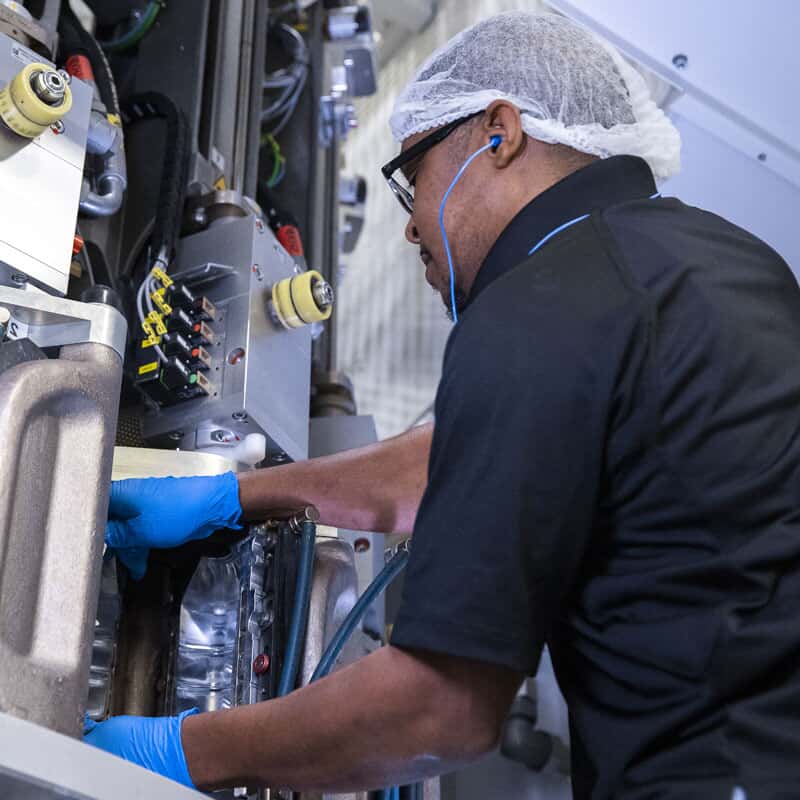
The PS TEC Team specializes in the repair and maintenance of the machinery that makes PET and rPET bottles and food containers. If you need extra support with your equipment maintenance needs, contact us today!
Let’s Talk About Your Manufacturing Needs & Goals
Call (480) 668-3961 or send us a message to connect with one of our industry experts.